Embarking on an educational journey in a foreign country is both exciting and daunting. As an international student, you’ll encounter new cultures, languages, and expectations. While the prospect of studying abroad ignites enthusiasm, it’s crucial to approach this transition with awareness and preparation. In this guide, we will explore practical advice, essential tips, and resources to help you navigate your experience with confidence.
Understanding Cultural Differences
Embrace the Diversity
One of the most enriching aspects of studying abroad is the opportunity to immerse yourself in a new culture. This experience will challenge your perspectives and broaden your worldview. However, cultural differences may also lead to misunderstandings. Here are a few ways to embrace diversity:
- Research Local Customs: Familiarize yourself with social norms, greetings, and taboos. Understanding these can prevent unintentional faux pas.
- Participate Actively: Engage in campus activities, cultural festivals, and community events. This not only helps you make friends but also deepens your appreciation for local customs.
Overcoming Culture Shock
Culture shock is a natural part of the adjustment process. It can occur in stages—honeymoon, frustration, adjustment, and acceptance. Recognizing these stages can ease your transition:
- Stay Connected: Keep in touch with family and friends back home. Sharing your experiences with them can provide comfort.
- Seek Support: Most institutions have counseling services. Don’t hesitate to reach out if you feel overwhelmed.
Academic Expectations
Understanding the Academic System
Every country has its own educational framework. Familiarize yourself with the grading system, attendance requirements, and the approach to learning:
- Classes and Participation: In many Western countries, participation in class discussions is highly valued. Make an effort to engage actively.
- Assignment Structure: Be clear on how assignments are expected to be formatted. Universities often provide guidelines, so take advantage of available resources.
Developing Effective Study Habits
Academic success requires effective study strategies tailored to your learning style. Here are key practices to consider:
- Time Management: Use planners or apps to keep track of deadlines and commitments. Dividing your work into manageable tasks can reduce stress.
- Utilize Resources: Libraries, tutoring centers, and study groups can enhance your learning experience. Don’t hesitate to ask for help when needed.
Navigating Daily Life
Finding Accommodation
Your living arrangements can significantly impact your overall experience. Here are options and tips to consider:
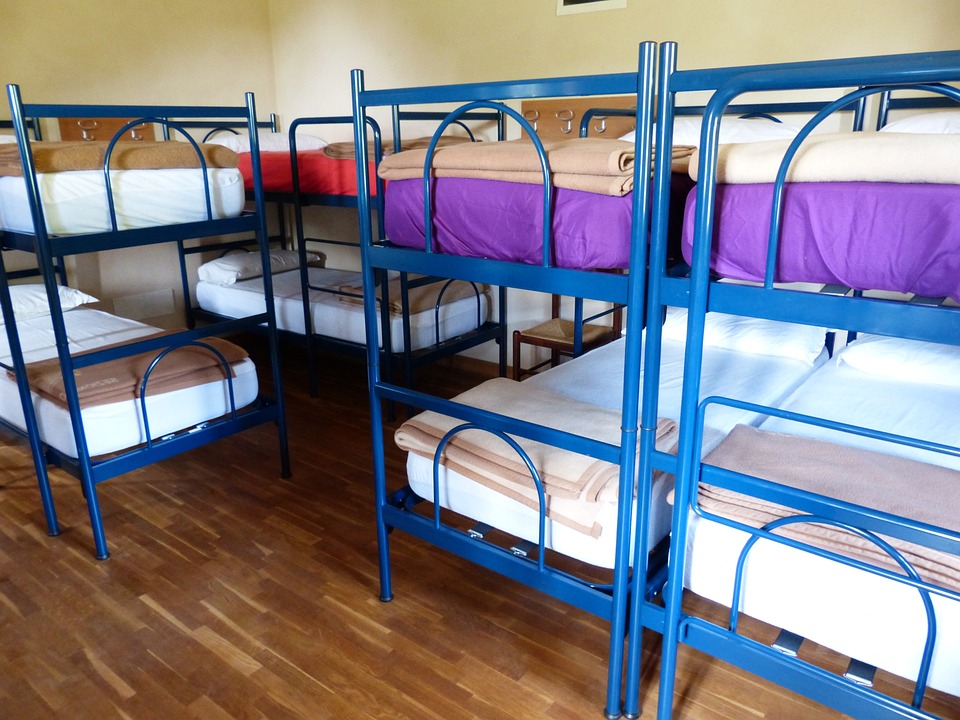
- On-Campus Housing: Many universities offer dormitories or student residences. This provides an immediate sense of community.
- Off-Campus Options: If you prefer independence, look for shared apartments or houses. Websites and local listings can aid your search.
Budgeting Tips for International Students
Managing finances can be challenging. Here’s how to navigate budgeting effectively:
- Create a Budget Plan: List your expected income (if you are allowed to work) and expenses such as rent, groceries, and entertainment.
- Explore Student Discounts: Many businesses offer discounts for students. Always inquire about potential savings.
Getting Around
Understanding local transportation can simplify your daily life:
- Public Transport: Familiarize yourself with buses, trains, and local transport apps. Knowing how to get around will enhance your mobility.
- Biking and Walking: In many cities, biking is a popular option. Consider investing in a bicycle to explore your surroundings.
Building Connections
Making Friends
Establishing social connections can ease the adjustment process and enrich your experience:
- Join Clubs and Organizations: Most universities host a range of clubs based on interests, cultures, and hobbies. This is a great way to meet like-minded people.
- Reach Out to Locals: Engaging with local students can provide insight into the culture and enhance your language skills.
Networking for Future Opportunities
Building connections can also benefit your future career:
- Attend Networking Events: Look out for career fairs and events hosted by your university. This is an excellent platform to meet professionals and potential employers.
- Utilize LinkedIn: Create a professional LinkedIn profile to connect with peers, alumni, and industry leaders.
Health and Well-being
Understanding Healthcare Options
Ensuring your health and well-being is paramount while studying abroad. Familiarize yourself with healthcare services available to you:
- Health Insurance: Most universities require students to have health insurance. Understand what your plan covers and how to access services.
- Local Healthcare Providers: Know the locations of nearby clinics and hospitals. This knowledge can be invaluable in case of medical emergencies.
Mental Health Awareness
The transition to studying abroad can be stressful. Prioritize your mental well-being:
- Mindfulness and Relaxation: Engage in activities that help you unwind, such as yoga or meditation.
- Seek Help If Needed: Universities typically offer counseling services. Don’t hesitate to reach out if you’re feeling overwhelmed.
Preparing for the Future
Enhancing Your Resume
Studying abroad enhances your resume, but it’s essential to highlight this experience effectively:
- International Experience: Emphasize your adaptability, cultural awareness, and language skills on your resume.
- Skills Development: Showcase skills acquired during your studies, such as teamwork, problem-solving, and communication.
Exploring Career Opportunities
Understanding the job market and opportunities in your host country can pave the way for your future:
- Internships and Work Opportunities: Many universities offer internship programs that can provide practical experience.
- Job Fairs and Workshops: Attend workshops on resume writing and interviews to prepare yourself for the job search.
Conclusion
Studying abroad is an incredible opportunity for personal and academic growth. While the journey may come with challenges, approaching it with an open mind and a proactive attitude can make all the difference.
Remember, embracing the experience and preparing ahead will enhance your time as an international student. Always seek support when needed, and don’t forget to enjoy the adventure that unfolds in your new home.
As you prepare for your arrival, consider reaching out for accommodation support. Having a stable living situation can ease your transition and allow you to focus on your studies and new experiences. Reach out to our accommodation team for guidance and assistance to ensure a smooth start to your journey. Welcome to your new adventure!