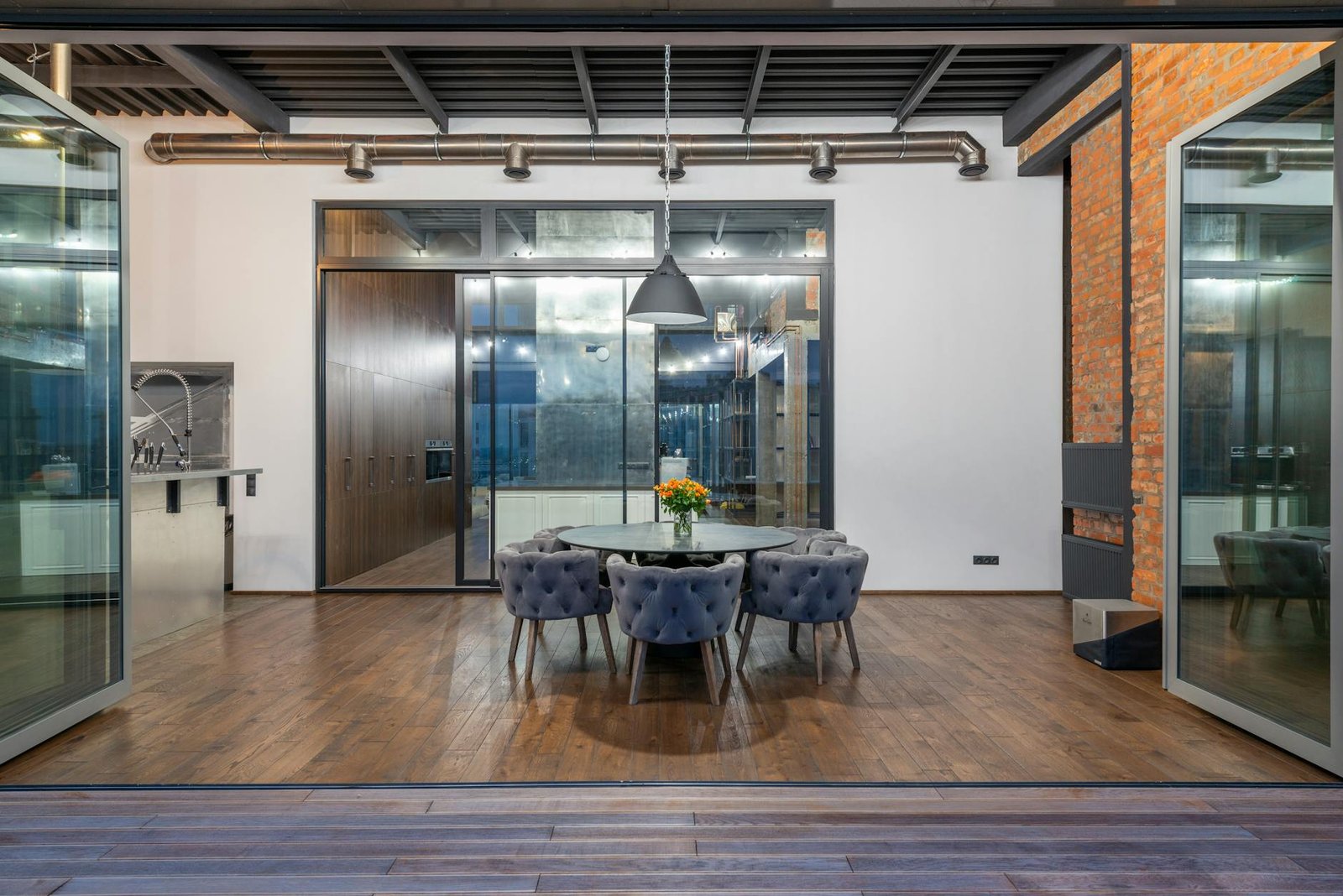
Accommodation in Italy for International Students
Ciao! Preparing to study in Italy is an exhilarating prospect. From the historic universities of Bologna and Padova to the vibrant fashion scene of Milan, Italy offers a world-class educational experience set against a backdrop of unparalleled history and culture. However, before you can enjoy your first plate of pasta or your first espresso, you need a comfortable and safe place to call home.
Finding student accommodation in Italy, especially as an international student moving there for the first time, can feel like navigating a maze. The market can be competitive, especially in major cities like Rome, Milan, and Florence. Understanding your options early, knowing what documents are needed, and planning your search before you even board your flight are essential steps to ensure a smooth transition. This comprehensive guide is designed to help you secure the ideal home base for your Italian academic adventure.
Understanding Your Accommodation Options in Italy
In Italy, international students typically have three main avenues for finding housing. The best choice for you will depend on your budget, social preferences, and how far in advance you are planning your move.
University Housing (Residenze Universitarie)
Many Italian public and private universities offer some form of dedicated student accommodation. This option is often the most straightforward and secure for new international students.
- • Dormitories/Campuses: Usually managed directly by the university or regional bodies (like the DSU or EDISU), offering single or shared rooms.
- • Benefits: Close proximity to campus, fixed costs (often including utilities), built-in social life, and security. They are generally managed fairly, reducing the risk of scams.
- • Drawbacks: High demand means limited availability. Application deadlines are strict, often months before the academic year starts. The quality and modernity of facilities can vary significantly.
Private Rentals (Shared or Solo Apartments)
The most common route for both Italian and international students is renting an apartment in the private market, typically sharing a larger apartment with other students or young professionals.
- • Shared Apartments (Stanze in appartamento): You rent a single room (stanza singola) or a shared room (stanza doppia) within an apartment, splitting communal costs. This is the most budget-friendly private option.
- • Solo/Studio Apartments (Monolocale): Renting an entire apartment, usually a studio, is ideal for those who prefer privacy, but it comes at a much higher cost.
- • Finding Listings: You’ll rely on local websites (often in Italian), social media groups, and real estate agencies (agenzie immobiliari).
Temporary and Short-Term Housing
If you prefer to wait until you arrive in Italy to search for a long-term rental, or if your long-term place isn’t ready immediately, you will need temporary accommodation.
- • Hostels/Hotels: Good for the first week or two. Essential for having a stable address upon arrival, especially if you need to manage airport pickup and immediate bureaucratic tasks.
- • Airbnb/Short-Term Stays: Provides a more comfortable, short-term base for house hunting. Be aware that these can be expensive during peak seasons.
Typical Student Rent Ranges in Italy (Monthly Estimate)
Accommodation costs vary dramatically based on the city and location within that city (e.g., city center versus outskirts). Below are approximate monthly ranges for a student in Italy. These prices typically do not include utility bills (spese condominiali) unless specified.
Major City Costs (e.g., Milan, Rome, Florence, Bologna)
These cities have high demand and are generally the most expensive.
- • Low Range (Shared Room/Suburban Single): €350 – €550
- • Average Range (Central Single Room): €550 – €750
- • High Range (Studio/High-Quality Central Single): €750 – €1,200+
Mid-Tier City Costs (e.g., Turin, Naples, Padova)
These university towns often offer slightly more affordable rates.
- • Low Range (Shared Room/Suburban Single): €280 – €400
- • Average Range (Central Single Room): €400 – €600
- • High Range (Studio/High-Quality Central Single): €600 – €900+
The Essential Checklist for Booking Before Arrival
For most international students, securing accommodation before arrival is highly recommended to reduce stress and cost. The key is starting early—ideally 4–6 months before your intended move date.
Steps for Booking Ahead:
- 1. Determine Your Budget and City: Confirm your student status and funding. Research neighborhoods near your university.
- 2. Search Reputable Platforms: Focus on known university housing sites or trusted student rental platforms. Be wary of listings without professional photos or clear agency contact.
- 3. Verify the Landlord/Agency: Ask for video tours, confirm the address (use Google Street View), and check for online reviews of the agency. Do not pay anything until you have a signed contract and are confident in the source.
- 4. Sign the Contract (and Translation): Italian rental contracts can be complex. If you don’t speak Italian, ensure you receive an English translation and understand the terms, particularly cancellation policies and required deposits.
- 5. Pay the Deposit and First Month: A deposit (usually 1–3 months’ rent, called caparra or deposito cauzionale) is standard, along with the first month’s rent.
Checklist for Pre-Arrival Success:
- • Confirmed and signed lease agreement (contratto di affitto).
- • Proof of payment for the security deposit and first month’s rent.
- • Landlord’s contact information and clear instructions for key collection.
- • Plan for initial relocation support, including temporary lodging if needed upon arrival.
If the stress of vetting landlords and navigating Italian contracts seems overwhelming, services like Luxe Settle specialize in finding and securing vetted, student-appropriate accommodation for students moving from abroad. This can greatly simplify the process.
Key Rules and Documentation for Renting in Italy
While we cannot provide legal advice, international students need to be aware of certain administrative requirements when securing a place to live.
Required Documentation
To sign a legal rental contract in Italy, you will typically need:
- • Passport/ID: Valid identification.
- • Proof of Enrollment: Letter of acceptance from your Italian university.
- • Proof of Funds: Documentation showing you can cover the rent (bank statements, proof of scholarship).
- • Fiscal Code (Codice Fiscale): This Italian tax code is mandatory for nearly all legal activities, including signing a rental contract, setting up utilities, and handling official paperwork and documentation. Get this as soon as possible, ideally before or right after arrival.
- • Guarantor: If you do not have sufficient income in Italy, landlords often require a guarantor (a family member or third party) to co-sign, promising to pay if you default.
Registration Requirements
Once you secure long-term accommodation, there are important residency steps:
- • Contract Registration: The landlord is legally required to register the contract with the Italian Revenue Agency (Agenzia delle Entrate). Ensure this happens, as it is key proof of residency.
- • Declaration of Presence/Residency: Non-EU students must apply for a Permit to Stay (Permesso di Soggiorno) within eight days of arrival, and your residential address is central to this process.
City-Specific Accommodation Navigation
Italy’s university towns each have unique housing challenges and popular student areas. Below are some brief insights into major Italian cities:
Milan (IT-CITY-MIL)
Milan is the financial and fashion hub, making it one of the most expensive cities. Expect fierce competition. Popular student zones include Città Studi (near the Politecnico) and Porta Genova/Navigli for social life.
Rome (IT-CITY-ROM)
Rome is vast, and commute times are a major consideration. Look for accommodation with reliable public transport links to your campus. Areas around San Lorenzo and Trastevere are popular but can be noisy.
Florence (IT-CITY-FLO)
Demand in Florence is year-round due to tourism and art schools. Apartments often feature beautiful old architecture but may lack modern amenities. The Oltrarno area is generally quieter than the tourist-heavy historical center.
Bologna (IT-CITY-BOL)
A classic university town with high student density. The city center is largely pedestrianized and highly sought after. Housing fills up extremely fast here due to the popularity of the University of Bologna.
Common Scams and Risk Patterns in the Italian Rental Market
The high demand in major cities unfortunately attracts unscrupulous individuals. Protecting yourself against housing scams is crucial.
Red Flags to Watch Out For:
- • The “Pay Before Viewing” Scam: Never pay a deposit or application fee before you, or a trusted representative, has viewed the property and met the landlord/agency. Scammers often use professional photos of properties they don’t own.
- • Unregistered Contracts: If a landlord insists on a cash-only payment or refuses to register the contract, they are likely avoiding taxes, and you will have no legal protection or proof of address for your Permesso di Soggiorno application.
- • Prices Too Good to Be True: If a central Milan apartment is listed for €300/month, it is a scam. Researching typical rent ranges (see above) helps establish a realistic expectation.
- • Lack of Clear Communication: Reputable landlords or agencies will use clear contracts and communicate professionally. Excessive pressure, vague answers about utilities, or a refusal to use official paperwork are warning signs.
How to Mitigate Risk:
- • Book temporary lodging first, and view long-term rentals in person.
- • Use recognized student portals or official university services.
- • Always ensure the contract includes the full duration, notice period, and registered status.
How Luxe Settle Helps International Students in Italy
Moving to a new country and finding a home should be exciting, not stressful. Luxe Settle is dedicated to making the transition for international students effortless and secure.
We streamline the process by offering:
- • Vetted Properties: We work with trusted local partners to provide access to verified, safe, and student-friendly accommodation.
- • Language and Legal Support: We help you navigate the complexities of Italian rental contracts and documentation, ensuring you understand exactly what you are signing.
- • Full Relocation Planning: From securing your place to “>Start your search with Luxe Settle today to secure your future home.
Frequently Asked Questions (FAQs)
What is a Codice Fiscale and why do I need it to rent?
The Codice Fiscale is your Italian tax identification number. You need it for almost all legal transactions, including signing a legally registered rental contract, opening a bank account, and applying for your Permesso di Soggiorno (Permit to Stay).
Should I find accommodation before or after arriving in Italy?
For non-EU students, it is highly recommended to secure at least temporary housing before arrival, as you need a stable address for your visa and Permit to Stay application process. While viewing in person is safer, using a trusted service or university housing is the most secure way to reserve a place from abroad.
What is the typical length of a student rental contract (contratto di affitto)?
Standard student contracts (contratto transitorio per studenti universitari) usually last from 6 to 36 months, with 12 months being common. You should clarify the required notice period (usually 1–3 months) if you need to leave early.
What are spese condominiali and who pays them?
These are condominium fees, essentially service charges for shared building upkeep, common electricity, and building management. They are usually paid monthly to the landlord or building administrator, separate from your base rent, and are usually the tenant’s responsibility.
How much is the security deposit (caparra) in Italy?
Security deposits usually range from one to three months’ rent. This deposit is held to cover any potential damages to the property and should be returned to you at the end of the lease, provided the property is left in good condition.
Is it common for utilities (gas, electricity) to be included in the rent?
In private rentals, it is rare for all utilities (gas, electricity, internet) to be included. If you are renting a single room in a shared apartment, sometimes a fixed fee covers all bills, but for apartment rentals, you typically set up accounts or pay separately based on consumption.
Where can I find reliable information about my residency documents?
You can find comprehensive guidance on the documents required for your stay by visiting our pillar page on Documentation Support in Italy. It’s always best to also cross-reference with your university’s international office.
Are the procedures for securing accommodation in Italy different from other European countries?
Each country in the EU has unique tenancy laws, required documentation, and market pressures. For a broader overview of starting your housing search, you can refer to our guide on Accommodation in Europe for International Students.