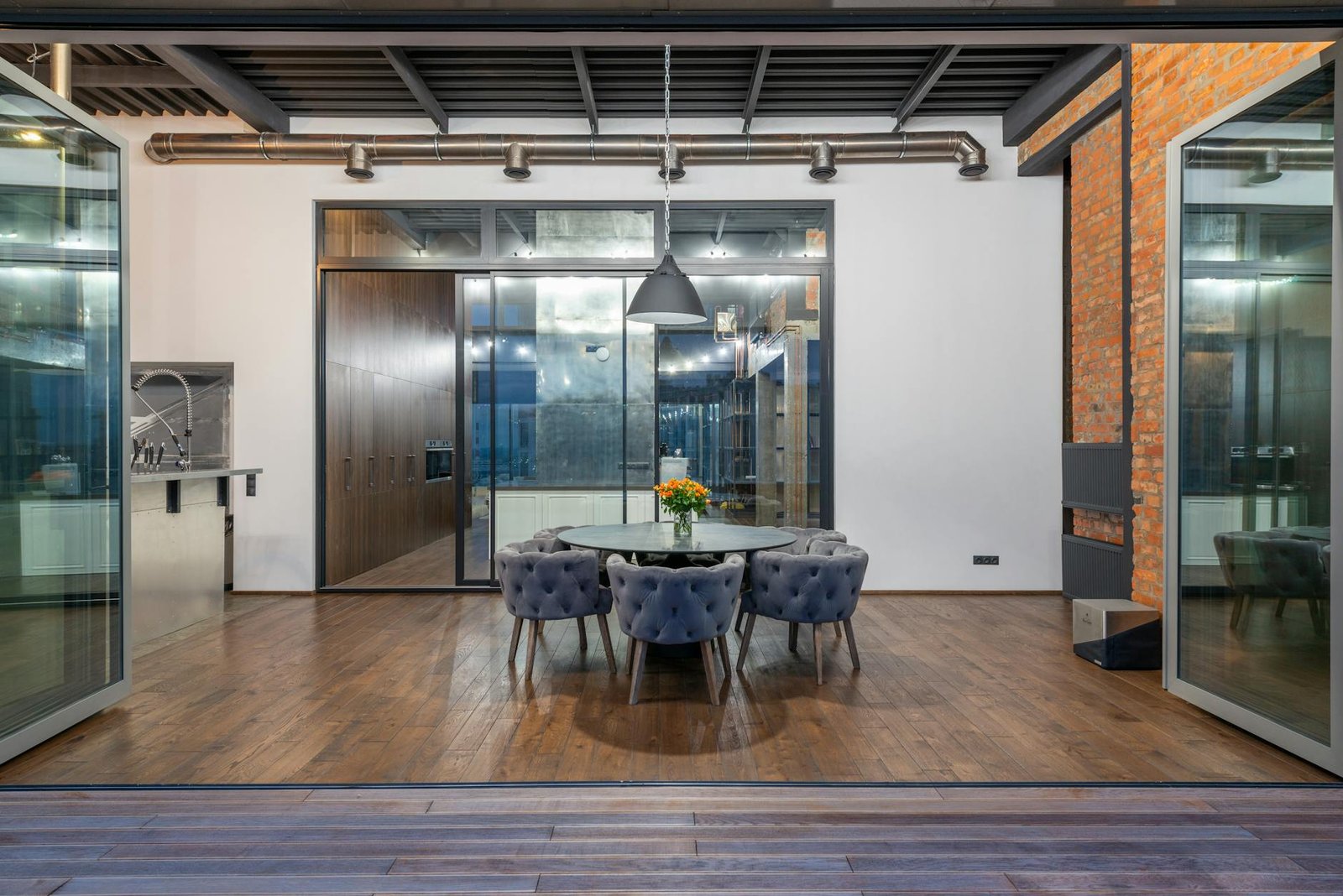
Accommodation in Germany for International Students
Congratulations on choosing Germany for your international studies! Known for its world-class universities, innovative technology, and rich cultural history, Germany offers an exceptional experience for students from around the globe. However, before you can dive into lectures and enjoy Oktoberfest, you need a place to call home. Securing accommodation in Germany is often cited as the biggest challenge for new international students, especially in major cities like Munich, Berlin, and Frankfurt.
The housing market in Germany is highly competitive, and starting your search early is crucial for a smooth arrival. This comprehensive guide is written specifically for first-time international movers, walking you through every critical step, from understanding your options and typical costs to avoiding common rental scams.
Accommodation Options in Germany: Finding Your Student Home
Students in Germany typically choose from three main types of housing. Your choice will depend heavily on your budget, preference for privacy, and social needs.
1. University Housing (Studentenwohnheime / Dormitories)
Student dormitories, managed by the local Studentenwerk (Student Services Organization), are the most budget-friendly and convenient option available.
- • Affordability: Dorms are the most affordable student housing option, with average gross rent for a room around €266 per month, though prices can range from €180 in smaller towns up to €500 in larger, pricier cities.
- • Location: They are often strategically located close to university campuses, reducing commuting time and cost.
- • Types of Rooms: You usually get a single room, but you share facilities like the kitchen and bathroom with a small group of other students (often called a shared apartment/flat within the dorm structure).
- • High Demand: Approximately 40% of international students aim for dorm rooms, making the application process highly competitive. You should apply immediately upon receiving your university acceptance letter.
2. Shared Apartments (Wohngemeinschaften or “WGs”)
A WG is a shared flat where you rent a private room but share common areas (kitchen, living room, bathroom) with 2 to 5 other residents.
- • Social Life: WGs are popular among students (about 30% choose this option) as they offer an immediate social network and a good mix of privacy and communal living.
- • Cost: Shared apartments are typically more expensive than dormitories but cheaper than private rentals. Rent often ranges from €300 to €600 per month, depending on the city and size.
- • Search Platforms: The most common way to find a room in a WG is through platforms like WG-Gesucht.
3. Private Rentals (Single Apartments)
Renting a private apartment (e.g., a one-room flat or a studio) offers the most privacy and independence but comes at a significantly higher cost.
- • Independence: You have your own space, private kitchenette, and bathroom.
- • Cost: Private apartments are the priciest option. In city centers, monthly rent typically ranges from €600 to €1,500, averaging around €940. Outside city centers, this range drops to €450 to €1,200.
- • Lease Terms: Private apartments may offer more flexible lease terms than dormitories, which can be negotiated with the landlord.
Typical Student Rent Ranges (Low/Avg/High)
Accommodation costs vary dramatically based on the type of housing and, most importantly, the city. Major metropolitan areas have significantly higher costs than smaller university towns.
Monthly Rent Estimates for Students (€)
| Housing Type | Low Range | Average Range | High Range (Major Cities) |
|---|---|---|---|
| Student Dormitory (Studentenwerk) | 180 | 250–450 | 500 |
| Shared Apartment (WG) | 300 | 350–600 | 600+ |
| Private Apartment (Outside City Center) | 450 | 700 | 1,200 |
Rents in cities like Munich, Berlin, and Frankfurt are generally the most expensive. When budgeting, always remember to account for utilities (Nebenkosten), which often cost around €150 per month, depending on usage and apartment size.
Booking Before Arrival: Steps and Checklist
For international students, we strongly recommend securing at least temporary accommodation before landing in Germany. This is especially true since you need a fixed address for essential bureaucratic steps like registration (Anmeldung) and sometimes even your visa application.
Essential Steps for Booking Accommodation
• Start Early: Begin your search as soon as you receive your letter of acceptance. Dormitories, in particular, have long waiting lists.
• Contact the Studentenwerk: Apply for student hall residency through your university’s local Studentenwerk online application portal. This should be your first priority.
• Use Reputable Platforms: Use reliable platforms like WG-Gesucht or ImmobilienScout24 for private rentals and WGs. Be highly cautious of listings that seem too good to be true.
• Document Everything: Keep copies of all communication, application receipts, and contracts.
Pre-Arrival Accommodation Checklist
- • University acceptance letter is secured.
- • Applications submitted to the Studentenwerk (if applicable).
- • Virtual or actual viewing of the property completed.
- • Lease agreement signed (never sign under pressure).
- • Deposit (Kaution) and first month’s rent paid (only after signing the lease).
If you are struggling to secure permanent housing before traveling, consider booking a short-term student hostel or temporary housing for your first 2–4 weeks. This provides a safe base while you search in person. To learn more about seamless transition strategies, check out our guide on Student Relocation Support in Europe.
Key Rules & Documents (High-Level Overview)
Navigating the German rental system requires attention to key terminology and regulations. While we cannot provide legal advice, understanding these elements is essential:
The Registration Requirement (Anmeldung)
Within two weeks of arriving and moving into your accommodation, you must register your address at the local residents’ registration office (Bürgeramt). For this, you will need a document called the Wohnungsgeberbestätigung (landlord confirmation of residence), which your landlord or accommodation provider must supply.
Required Documents for Renting
- • Proof of Enrollment/Acceptance Letter (Zulassungsbescheid)
- • Valid Passport/ID
- • Visa/Residence Permit (if applicable)
- • Proof of Financial Means (to show you can afford the rent)
- • SCHUFA Credit Report (often required for private rentals; may be waived for new international students)
Gathering all necessary documentation for your relocation can be complex. We recommend reviewing our dedicated resources on Documentation Support in Germany and Documentation Support for Students in Europe for more detail.
City Navigation Section (Brief Entries)
Accommodation dynamics change drastically from city to city. Below is a snapshot of key German university cities:
- • Munich: One of the most expensive cities. Demand is extremely high. Start searching for dorms or WGs as early as possible.
- • Berlin: Once relatively cheap, prices have increased significantly. Shared apartments (WGs) are a popular and often necessary option due to high private rent costs.
- • Frankfurt: High demand due to the financial sector. Students often look in surrounding suburbs for slightly lower prices.
- • Leipzig / Bremen: Generally offer more affordable accommodation options and less severe competition compared to the major hubs.
A reliable means of transport from your arrival point is essential, especially if your first accommodation is temporary. Ensure you have your transport arranged by reviewing our guide on Airport Pickup in Germany.
Ready to find your perfect place in Germany?
Frequently Asked Questions (FAQs)
Here are common questions international students have about housing in Germany:
Q1: When should I start looking for accommodation in Germany?
• A: You should start immediately after receiving your university acceptance letter, especially for student dormitories, as waiting lists can be up to six months long.
Q2: Is a student dormitory guaranteed if I get accepted to a university?
• A: No. Dormitory rooms are highly coveted and not guaranteed. You must apply separately through the local Studentenwerk, and rooms are allocated based on availability and application date.
Q3: What is a “WG,” and how is it different from a private apartment?
• A: A WG (Wohngemeinschaft) is a shared apartment where you have your own private bedroom but share communal areas like the kitchen and bathroom with roommates. A private apartment is a self-contained unit just for you.
Q4: Do I need a blocked account (Sperrkonto) to rent an apartment?
• A: While the blocked account is primarily a requirement for the German student visa (proving financial means), landlords may ask for proof of sufficient funds to cover the rent. The visa requirement is currently €11,904.
Q5: What is the Wohnungsgeberbestätigung, and why is it important?
• A: This is a document signed by your landlord confirming your move-in date and address. It is mandatory for your registration (Anmeldung) at the local city office, which is a required legal step.
Q6: How much is the security deposit (Kaution) usually?
• A: The security deposit (Kaution) in Germany is legally capped at three times the amount of the cold rent (net rent, excluding utilities). This is paid before you move in.
Q7: What cities are generally most expensive for student housing?
• A: Munich, Berlin, and Frankfurt consistently have the highest rental prices for students due to extreme competition and high demand.
Q8: Can I pay the deposit in cash?
• A: It is strongly advised to pay the deposit and rent only via bank transfer, as cash payments are harder to trace and can put you at risk of scams. Always ensure the bank account belongs to the person or entity named on your signed lease.
Need help with accommodation or airport pickup?
Tell us your city, budget, and move-in date — we’ll handle the rest with a white-glove, personalised service.
Get Started