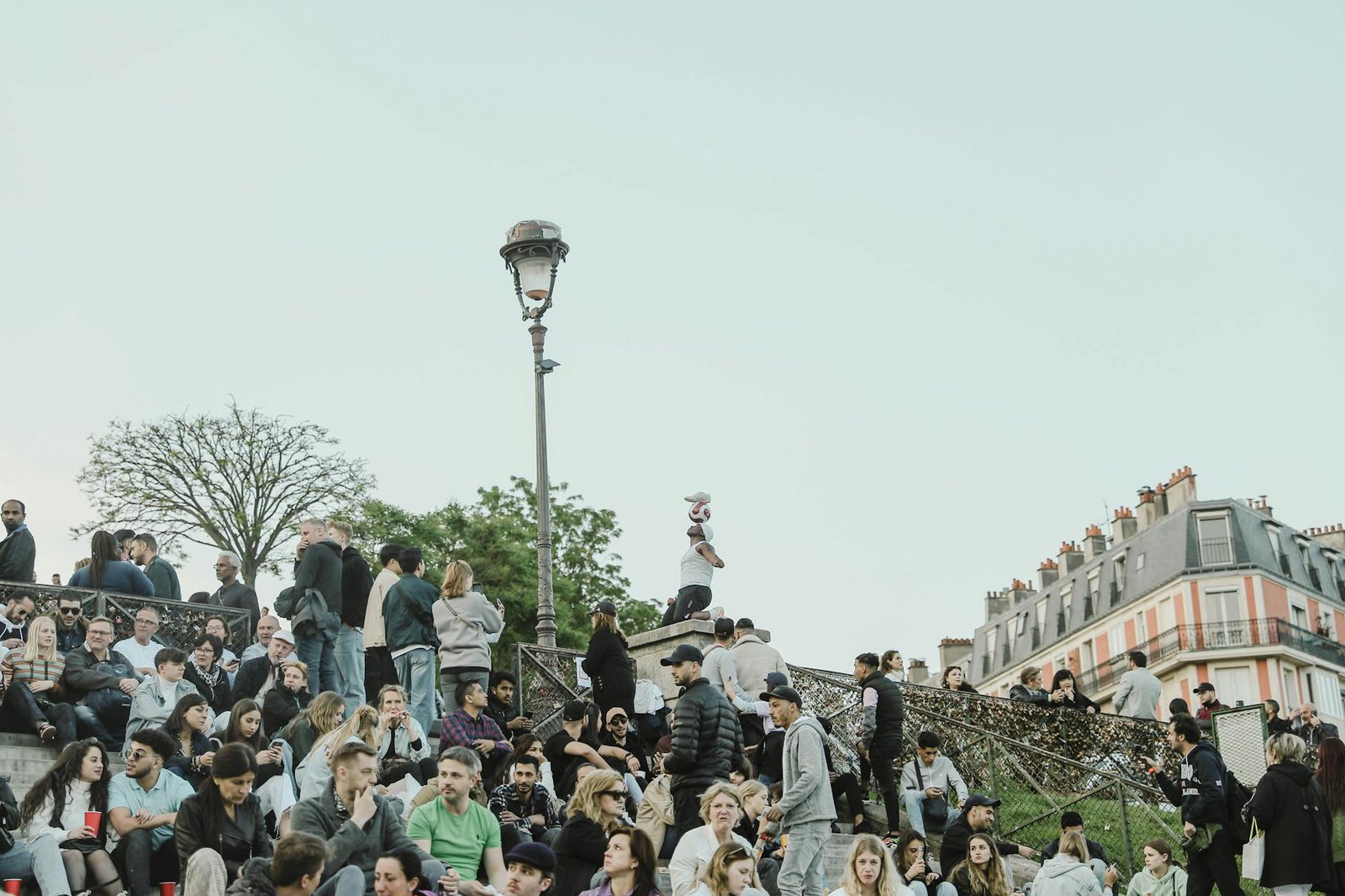
Accommodation in Paris, France for International Students
Paris, the City of Lights, is a dream destination for international students, offering world-class universities, a rich history, and an unforgettable cultural experience. However, securing student accommodation in France, especially in a dynamic, high-demand city like Paris, requires planning and knowledge. Finding a safe, affordable, and well-located place to live is the foundation of a successful study abroad experience.
This guide is designed to walk international students through everything they need to know about navigating the housing market in Paris, from understanding your options and budget to avoiding common pitfalls.
Types of Accommodation Students Use in Paris
International students in Paris typically choose from a few main types of accommodation, each offering different benefits regarding cost, independence, and social life.
University Residences and CROUS Housing
CROUS (Centre Régional des Oeuvres Universitaires et Scolaires) manages government-subsidized student residences. This is often the most affordable option, but demand significantly outweighs supply, making securing a spot very difficult for many international students. Other private student residences also exist, offering rooms or studios with various services.
-
• The Cité Internationale Universitaire de Paris (CIUP) is a unique campus that houses students and researchers, offering a strong multicultural community.
• Private residences are generally easier to access than CROUS but come at a higher cost.
Private Rentals (Studios and Apartments)
Renting a private studio or a small apartment is a popular choice for students seeking independence. However, these units can be small (often called chambres de bonne or studios) and are generally the most expensive option.
-
• Studios offer privacy but usually require a strong financial guarantee (a French guarantor or a service like a bank guarantee).
• They are highly sought after, especially in central arrondissements.
Flatshares (Colocation)
Sharing an apartment (colocation) is perhaps the most cost-effective and social way to live in Paris. It allows students to split rent and utility costs, making housing in a central or well-connected area more feasible.
-
• Flatshares range from two to six or more people.
• This option is excellent for quickly building a social circle upon arrival.
Student Rent Ranges and What Affects the Price
Paris is notorious for being one of the most expensive cities in Europe. Student budgets must be managed carefully. Rent prices fluctuate widely based on size, proximity to the center, and the specific arrondissement.
Average Monthly Rent (Estimates for 2024)
The average rent for student accommodation in Paris is generally around €850 per month, but this can vary significantly:
- Low Range (Shared/CROUS): €450 – €700 per month (Typically for a shared room or a rare CROUS spot).
- Average Range (Private Room/Small Studio): €700 – €1,200 per month (A private room in a flatshare or a small studio apartment).
- High Range (Central Studio/Premium Residence): €1,200 – €1,500+ per month (A furnished studio in a highly desirable central arrondissement or a premium private student residence).
Key Factors Affecting Price
-
• Arrondissement (Location): The central arrondissements (1st to 8th) are the most expensive. Areas further out, but well-connected by metro (like the 10th, 11th, 13th, 19th, and 20th), offer better value.
• Size and Furnishings: Furnished properties typically cost more than unfurnished ones but save you the hassle of buying furniture. Larger units are proportionally more expensive.
• Amenities: Features like a dedicated kitchen area, an elevator (rare in older buildings), and secure access add to the price.
• Proximity to Transport: Apartments near major metro or RER stations are usually more expensive due to convenience.
Best Student Areas and Neighborhoods
Choosing the right neighborhood (arrondissement) is crucial, balancing cost, safety, travel time to your university, and student life vibrancy.
The Academic Heart: Latin Quarter (5th and 6th Arrondissements)
Known for the Sorbonne and other historic institutions, this area is rich in academic atmosphere, bookstores, and student-friendly cafes. It is central and very safe, but also among the most expensive. Ideal for students who prioritize university proximity and traditional student life.
Affordability and Accessibility: Enclos-St-Laurent (10th Arrondissement)
This arrondissement is known for offering a mix of affordable and moderate rental prices. It is centrally located with excellent transport links, including several metro lines (2, 4, 5, 7), making it easy to commute across the city. It provides a more authentic Parisian experience with a vibrant community.
Vibrant and Bohemian: Bastille (11th Arrondissement)
The 11th is popular among students for its lively atmosphere, fantastic nightlife, and numerous bars and restaurants. While less overtly academic than the Latin Quarter, it offers good value relative to its central location and is well-served by public transport.
Cultural and Lively: Belleville (20th Arrondissement)
Located on the eastern side of Paris, Belleville is known for its diverse, multi-cultural, and artsy vibe. It offers some of the more budget-friendly options in the city and is well-connected, making it a good choice for students looking for affordability and a unique local flavor.
Documents Typically Required and How to Prepare
The Paris rental market is highly competitive and regulated. Landlords require extensive documentation support in France, especially from international tenants, to ensure financial solvency.
Essential Documentation Checklist
When applying for accommodation, you will need to prepare a comprehensive dossier (file) of documents. For international students, these are crucial:
- Valid Identification: Passport and student visa/residence permit.
- Proof of Student Status: Acceptance letter from your French university or a student card.
- Proof of Financial Solvency: This is the most challenging part.
-
• Bank statements (French or foreign) showing sufficient funds for the entire rental period.
• Proof of scholarships or guaranteed student loans. - Guarantor: A French guarantor is often required. If you don’t have one, options include:
-
• Visale (a free state-provided guarantee for students).
• Bank Guarantee (a secured deposit held by a French bank). - Proof of Residence (for current address): Utility bill or rent receipt from your current residence.
Tip: Translate non-French documents (especially financial ones) into French by a certified translator, if possible, to expedite the process.
Common Scams in Paris and How to Avoid Them
Because the demand for student housing is so high, Paris is unfortunately prone to rental scams targeting international students who are desperate to secure a place before they arrive.
Know the Red Flags
Be extremely cautious if you encounter any of the following:
-
• Demanding Payment Before Signing: A fake landlord asks for a wire transfer (deposit or first month’s rent) before you have signed a contract or even seen the property. In France, you have the right not to pay until the contract is signed.
• Refusal to Meet: The person insists they are out of the country, unavailable, or can only communicate via email, making an in-person meeting impossible.
• Too Good to be True: The rent is significantly lower than the average market rate for the area and quality advertised.
• Fake Addresses or Listings: Scammers use attractive photos and legitimate-sounding listings but provide a non-existent or inaccessible address.
• Phishing: Requests for overly sensitive personal documents (like bank details or copies of your identity documents) before any official contract stage.
Safety Checklist
-
• Always insist on seeing the property in person (or have a trusted friend/agent view it for you).
• Never transfer money before signing the official rental agreement (bail).
• For private rentals, ask the “landlord” for proof of home ownership (taxe foncière) or management authorization.
Mistakes Students Make and a Quick Checklist
Moving to Paris is complex, but avoiding these common student mistakes can greatly smooth your transition:
Mistakes to Avoid
- Underestimating the Cost: Paris is expensive. Budget not just for rent, but also for mandatory insurance, security deposits (usually one to two months’ rent), and utility activation fees.
- Starting Too Late: The best apartments are gone quickly. Start your search 3–4 months before your arrival, especially if aiming for the September intake.
- Ignoring the Commute: Don’t just focus on the lowest rent. A cheap apartment far from the university with a long, complex commute can reduce your quality of life. Ensure you are close to reliable airport pickup in France and public transit options.
Quick Preparation Checklist
-
• Secure your visa and student status documentation.
• Line up a guarantor solution (Visale or bank guarantee).
• Have your rental application file translated and printed.
• Arrange temporary housing (hostel or short-term rental) for your first week.
If the Paris housing market feels overwhelming, remember you don’t have to navigate it alone. Services like Luxe Settle specialize in simplifying the complex logistics for international students, ensuring you arrive to a secured, legitimate, and student-appropriate home.
How Luxe Settle Helps in Paris
Luxe Settle offers end-to-end relocation services tailored specifically for international students moving to Paris. We understand the unique challenges—from the requirement for a French guarantor to the documentation hurdles—and simplify the entire process.
We provide verified, student-friendly
Tell us your city, budget, and move-in date — we’ll handle the rest with a white-glove, personalised service.Need help with accommodation or airport pickup?