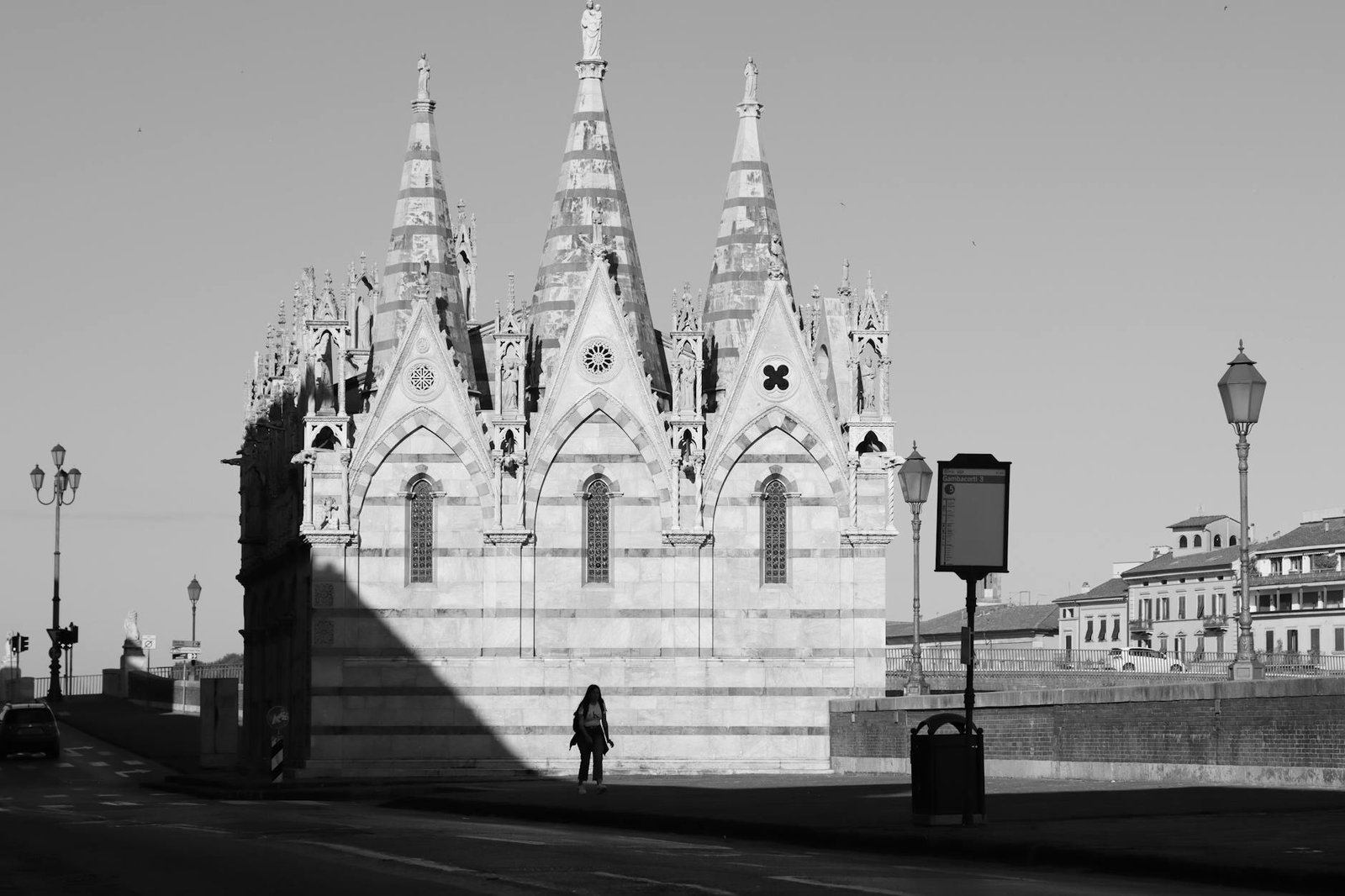
Accommodation in Pisa, Italy for International Students
Welcome to Pisa! As an international student preparing to move to Italy, you’re about to study in a city famous globally for its iconic Leaning Tower, but which is also a lively and historic university town. Finding the perfect student accommodation in Italy is often the biggest hurdle before your studies begin. While Pisa is smaller than major hubs like Rome or Milan, its popularity means securing housing early is crucial. This student-first guide will walk you through everything you need to know about finding safe, affordable, and well-located housing in Pisa.
Pisa offers a fantastic student experience, especially given its relatively lower cost of living compared to other major European cities. However, the student housing market here can be competitive, particularly near the main university areas. Being prepared and knowing your options is the key to a smooth relocation.
Types of Accommodation Students Use in Pisa
International students in Pisa generally choose from a few main types of housing, each with its own benefits and drawbacks:
University Residences (Dormitories/Residenze Universitarie)
These accommodations are managed by the university or regional bodies (like DSU Toscana). They are often the most affordable option, offering a secure environment and built-in community. However, they are highly competitive and primarily allocated based on financial need and academic merit.
- • Pros: Lowest cost, close to campus, utilities often included, maintenance support.
- • Cons: Very limited availability, strict rules, may require specific documentation for application.
Shared Private Apartments (Appartamenti Condivisi)
This is the most common choice for international students. You rent a room in a larger apartment shared with other students or young professionals. This offers flexibility and a more authentic Italian living experience.
- • Pros: More private, opportunity to live with Italian or other international flatmates, flexibility in location.
- • Cons: Rent and utility costs can be higher, requires navigating private contracts, responsibility for finding good flatmates.
Single-Occupancy Apartments (Monolocali or Loft)
While less common due to cost, some students prefer to rent their own studio apartment. This offers maximum privacy but comes at a significantly higher price, making it less practical for those on a tight budget.
Student Rent Ranges in Pisa: What to Expect
Pisa’s rental market is more budget-friendly than cities like Milan or Florence, but prices still vary depending on the area, the type of apartment, and proximity to the city centre or university faculties. These are typical monthly ranges for a single student in a shared apartment:
Typical Monthly Rent (Per Person, Shared Apartment)
- • Low Range: €250 – €350 (Room in shared apartment further from the centre or in older buildings)
- • Average Range: €350 – €500 (Room in well-located shared apartment, good condition)
- • High Range: €500+ (Single studio apartment or premium room near the university)
Factors Affecting Price
The final monthly cost will depend on these key factors:
- 1. Location: Areas closest to the main university campus or the centre (Centro Storico) are always more expensive.
- 2. Condition & Amenities: Modern apartments, those with reliable Wi-Fi, air conditioning, or proximity to transit hubs will demand higher rent.
- 3. Contract Type: Shorter contracts (less than 12 months) generally have a higher monthly rate.
- 4. Utilities (Utenze): Always clarify if utilities (gas, electricity, water, internet) are included in the listed rent (spese incluse) or separate (più utenze). Separate utilities can add €50–€100 per month.
For more comprehensive guidance on accommodation options across the continent, consult our guide on Accommodation in Europe for International Students.
Best Student Areas and Neighborhoods in Pisa
Pisa is relatively compact, making it easy to navigate, but choosing the right neighborhood can impact your daily commute and social life:
1. Centro Storico (Historic Centre)
The heart of Pisa, close to most university departments and the main sites. It’s vibrant, walkable, and excellent for students who want to be in the middle of everything.
- • Transport: Excellent walkability; close to bus routes.
- • Proximity: Central for most faculties of the University of Pisa.
2. Santa Maria
Located near the Leaning Tower and the Normale University, this area is highly desirable. It offers a great mix of historic charm and student activity but can be pricier and noisier.
- • Transport: Very walkable; well-served by local buses.
- • Proximity: Ideal for students attending the central departments.
3. San Martino and San Giusto
These areas are slightly further south and west of the centre, offering more residential, quieter, and potentially more affordable options. San Giusto is particularly convenient for those needing easy access to Pisa Centrale train station or the airport.
- • Transport: Close to Pisa Centrale, making weekend travel easy. Good bus links to the centre.
- • Proximity: A short bus ride or bike ride to most university locations.
Documents Typically Required and How to Prepare
When renting a room in Pisa, be prepared to present a set of documents to the landlord or agency. Preparation is key to securing your preferred apartment quickly, especially during the competitive pre-semester rush.
Required documentation usually includes:
- 1. Proof of Identity: Passport or national ID card.
- 2. Proof of Enrollment: Acceptance letter from your Pisan university.
- 3. Proof of Financial Solvency: This is crucial. It might be a bank statement, a scholarship letter, or a guarantor’s letter (a family member agreeing to cover the rent if you cannot).
- 4. Italian Tax Code (Codice Fiscale): This is essential for signing any legal contract in Italy, including rental agreements. You must apply for this immediately upon arrival, if not before.
- 5. Visa/Residence Permit Copy: For non-EU students.
For a detailed breakdown of all legal necessities for your relocation to Italy, including your tax code, review our guide on Documentation Support in Italy: What Students Need.
Common Scams in Pisa and How to Avoid Them
While Pisa is generally safe, international students can be targets of housing scams, especially when searching remotely. Be vigilant:
- • The “Viewings Not Possible” Scam: Never pay a deposit or the first month’s rent for an apartment you haven’t seen in person or had a trusted representative view for you. Scammers use beautiful pictures of non-existent apartments and claim they are abroad and can only send keys after payment.
- • Unusually Low Rent: If a price seems far below the market average (e.g., a room in the Centro Storico for €200), it’s likely a scam. Compare prices in the local area to spot anomalies.
- • Informal Contracts: Insist on a registered Italian rental contract (usually 4+4 or 3+2 years for standard rentals, or a short-term student contract). Never rent solely based on a WhatsApp agreement or an informal note.
- • Wiring Money: Do not use Western Union, MoneyGram, or cryptocurrency to pay deposits. Use traceable bank transfers to an account held by the landlord or a legitimate agency.
airport pickup in Italy so you have a safe journey to your initial temporary lodging.
Relocating to a new country and finding secure accommodation can be overwhelming. Luxe Settle specializes in helping international students secure verified, safe, and student-friendly housing in Pisa before they even leave home. We simplify the entire process: Our goal is to remove the stress of relocation so you can focus on your studies and enjoy the beautiful city of Pisa. Compared to Milan, Rome, or major northern European capitals, Pisa is generally considered mid-range to affordable. Rent is manageable, and public transport is relatively cheap. Your biggest expenses will be rent and the initial security deposit. Yes, especially if you are a non-EU student or cannot provide substantial Italian banking history. A local or international financial guarantor (such as a parent) is often requested to ensure rental payments. Pisa is small and very flat, making walking and cycling the best ways to get around. The local CTT Nord bus service covers all main areas, including connecting the airport, train station, and university faculties. Start your serious search at least 3 months before your arrival, particularly for shared apartments, as the market gets very busy in late summer (August/September). In Italy, rent (affitto) often excludes utilities (utenze) unless explicitly stated as spese incluse. Always clarify if gas, electricity, water, and internet bills are separate or included in the advertised price. The Codice Fiscale is your Italian tax code. It is mandatory for any official business, including signing a legally binding rental contract. You must obtain this from the Italian tax authority (Agenzia delle Entrate). Ready to start your stress-free journey?
Tell us your city, budget, and move-in date — we’ll handle the rest with a white-glove, personalised service.How Luxe Settle Helps in Pisa
FAQs (Frequently Asked Questions)
Is Pisa an expensive city for students?
Do landlords in Pisa typically require a guarantor?
What is the best way to get around Pisa?
How far in advance should I look for housing in Pisa?
Is the cost of living included in rent?
What is the Codice Fiscale and why do I need it for housing?
Need help with accommodation or airport pickup?